Photo Guide
Content 03 · Expression & impressionGangnam Station portraits: Why does the same face look different in photos?
In portraits and ID photos near Gangnam Station, the same face may look different because expression, face direction, camera height, lighting and distance can all change. Do not decide the cause from one image; compare shots while changing one factor at a time.
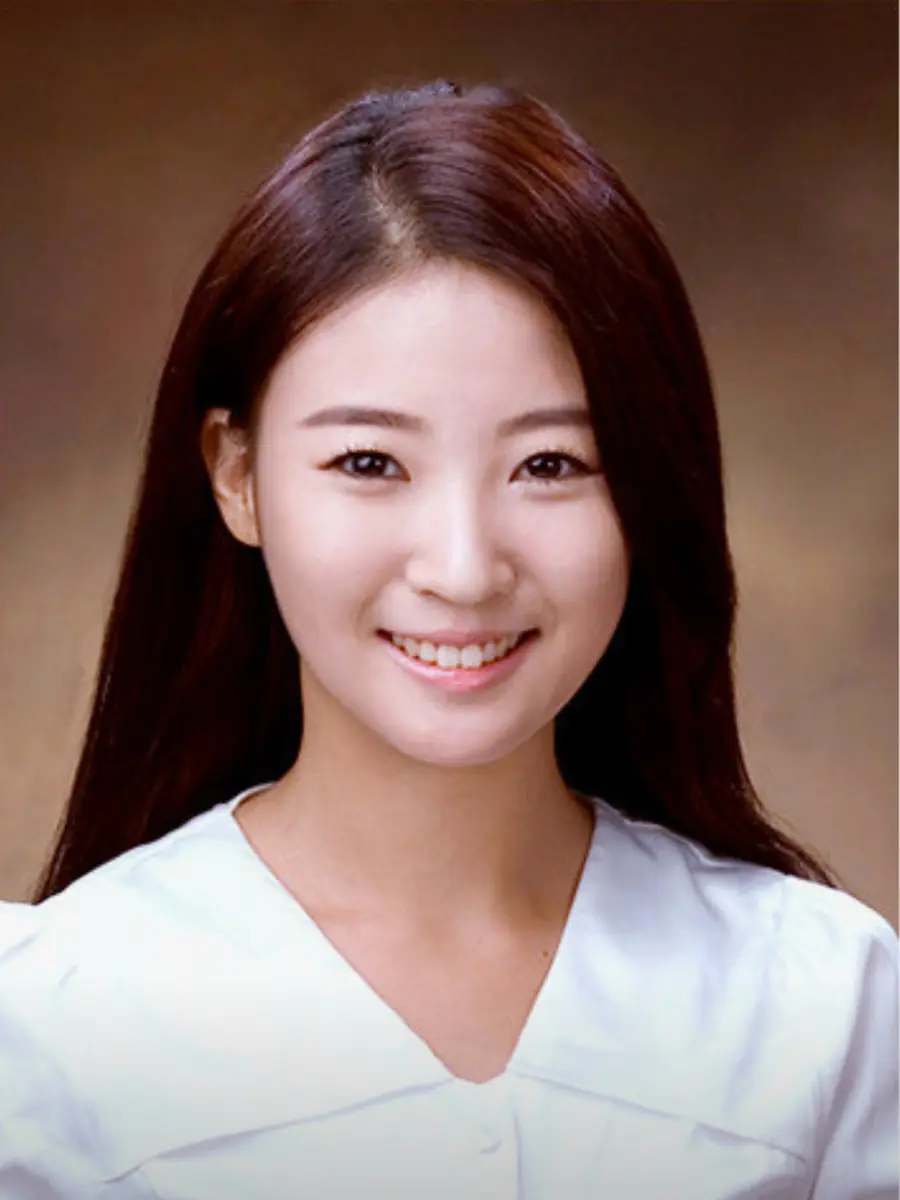
What looks different in the photo?
These are starting points for observation, not diagnoses. Keep the other conditions as consistent as possible and change one factor at a time.
| Perceived difference | What to check | How to compare during shooting |
|---|---|---|
| A stiff expression | Eyes, mouth corners, jaw and shoulders | Keep framing and light steady; compare a relaxed expression with a slight smile. |
| A different jawline | Face direction, chin and camera height | Keep expression and light steady; change just one angle or height. |
| A darker side of the face | Face direction and light | Keep expression and camera position steady; change one lighting condition. |
| A different nose or central-face ratio | Camera-to-face distance | Keep expression, direction and light steady; note distance and framing. |
How does a portrait studio compare expression and lighting?
There is no single reason why the same face looks different across portraits. A momentary expression in the eyes and mouth, face direction, camera height, light and shadow, and distance from the camera can each affect a photograph.
Do not conclude from one image that your face simply looks that way or that the lens is responsible. Compare shots made under similar conditions while changing one factor at a time to see what affected the result.
How do you compare expression and face direction?
A photo captures the eyes, corners of the mouth, and tension in the jaw and shoulders at one moment. Keep face direction and lighting the same while comparing a relaxed expression with a slight smile. If you look tense, exhale and relax your mouth before trying another shot.
When changing face direction, keep expression and camera position as consistent as possible and compare a front-facing pose with a small turn. The jawline and visibility of the eyes and ears may change; do not judge anyone's appearance from one angle. For passports and IDs, the receiving authority's pose and expression rules take priority.
What do camera height, lighting and distance change?
Camera height can alter the apparent position of the eyes and chin. Keep expression and face direction steady while comparing small adjustments near eye level. Lighting changes shadows, skin tone and facial contours, so compare light direction or intensity under the same framing.
When the camera is too close, the nose and center of the face may appear more prominent. To compare distance, keep expression, face direction and light as similar as possible and change only the distance. Focal-length numbers alone do not determine facial proportions.
How do you distinguish the mirror-photo difference from retouching?
In a mirror, we are used to a moving face reflected left to right. A photograph fixes one expression, viewpoint and light, so it may feel unfamiliar. This alone cannot establish the degree of real facial asymmetry or the cause of a particular image.
At G.STUDIO, we first adjust face direction, eyes, mouth and shoulders during the shoot to find a natural result. Retouching is a separate step that tidies skin tone or small imbalances in the selected image as needed. We address what can be solved during shooting before editing, rather than inventing a different expression or posture afterward.
Shooting and retouching have different roles
| Check during the shoot | Compare eyes, mouth corners, jaw, shoulders, face direction, camera height and lighting in actual frames. Follow submission rules first. | |
|---|---|---|
| Adjust after the shoot | Review the selected frame for skin tone or small imbalances without replacing the person's expression or identity. | |
Change one condition at a time when comparing frames; one photo alone cannot establish a cause.
Q&A · Expression & impression
Frequently asked questions about expression
Why does my face look different in a mirror and a photo?
We are used to the mirror's reversed view, while a photo fixes a momentary expression under a specific viewpoint and light. One image cannot establish real asymmetry or its cause.
Does smiling always make a better photo?
No. A natural expression depends on the person and the photo's purpose. Compare a slight smile with a relaxed expression under the same conditions, but follow the receiving authority's expression rules for passport and ID photos.
How far should I turn my head?
There is no universal angle. When permitted, compare a front-facing pose with a slight turn while keeping expression and lighting consistent. Do not turn your face when a front-facing pose is required.
What should I check before retouching?
Review expression, face direction and chin height, camera height, lighting and shooting distance one at a time. First find what can be adjusted during shooting, then discuss only necessary skin-tone or small-balance changes in the chosen photo.
Find the right result during shooting; retouch only as needed
Several conditions can combine to change the impression in a photo. Do not infer the cause from one frame; compare one change at a time under otherwise similar conditions.
G.STUDIO first looks for a natural expression and posture during the shoot and tidies details only when needed. Submission rules take priority for ID and passport photos.
G.STUDIO Gangnam reviews expression and lighting according to the purpose of your portrait near Gangnam and Sinnonhyeon Stations. If facial proportions seem unfamiliar, also see how shooting distance affects perspective in portraits.